 "Memória das Minhas Putas Tristes" conta a história de um velho jornalista de noventa anos que deseja festejar a sua longa existência de prostitutas, livros e crónicas com uma noite de amor com uma jovem virgem. Inspirado no romance "A Casa das Belas Adormecidas" do Nobel japonês Yasunari Kawabata, o consagrado escritor colombiano submerge-nos, num texto pleno de metáforas, nos amores e desamores de um solitário e sonhador ancião que nunca se deitou com uma mulher sem lhe pagar e nunca imaginou que encontraria assim o verdadeiro amor. Rosa Cabarcas, a dona de um prostíbulo, conduzi-lo-á à adolescente com quem aprenderá que para o amor não há tempo nem idade e que um velho pode morrer de amor em vez de velhice. A escrita incomparável de Gabriel García Márquez num romance que é ao mesmo tempo uma reflexão sobre a velhice e a celebração das alegrias da paixão.
Gabriel García Márquez (Aracataca, Magdalena, 6 de março de 1928) é um importante escritor colombiano, jornalista, editor e activista político e pémio Nobel da Literatura em 1982. Foi responsável por criar o realismo mágico na literatura latino-americana.
Como nunca é demais ler e reler García Márquez, a Bloom lembra o seu 80º aniversário, no passado dia 6 de Março, com esta sua última publicação, onde se fala de desejo de viver e do desejo de morrer de amor e não de velhice.
A grande maioria dos títulos que compõem a obra deste grande autor encontram-se na Bloom.
Memória das Minhas Putas Tristes, de Gabriel García Márquez
Publicações Dom Quixote • 2007
Olhaste para ela, e ela para ti, e nesse momento o tempo congelou.
Tarde de mais, embora eu tivesse implorado para que não fosse…
Nem as minhas lágrimas, nem a evocação de saborosos momentos
Impediram a deserção e o fechar dessas páginas.
No nosso fogo sentimos prazeres inigualáveis que não mais partilharemos,
No desabrochar de um morango saboreámos as felizes cores do mundo,
E na candura do vapor provámos o doce mel dos deuses,
que transformámos em alimento do nosso amor!
Assim, entre a frieza das especiarias insípidas,
Sobrevivendo na nata do teu abandono,
Procurando-te nos despojos do nosso desejo,
Senti a condenação do meu corpo ao vazio e na pele o lento chegar da morte.
Não estava certo.
Não como nos fatais desencontros.
Não como Romeu e Julieta,
Nem como amores de perdição.
Na inanição de te ver doutra e não mais meu,
Alimentar-me-ei do vosso amor,
Provarei os frutos dessa união,
E nessa felicidade encontrarei o meu esplendor
E a razão do meu viver.
*À F. e ao Jamie, e à espera de um convite ;-)
 A agitação e o ruído ficaram lá fora. O corpo estende-se e, à medida que as mãos da terapeuta nos massajam a cabeça e o pescoço, as tensões apagam-se. Um shot de massagem. Um shot de bem-estar. É com este mimo que o Soma Space recebe os clientes, entre o champô e o amaciador, antes do corte ou brushing.
Neste espaço, as cadeiras tradicionalmente rígidas dão lugar a confortáveis poltronas (chegadas do Japão), numa área recolhida, a média luz, animada por música chill-out – a zona lounge. Com a técnica Thai, aperfeiçoada pela tailandesa Nicole (que executa as massagens mais prolongadas), breves minutos são suficientes para relaxar. Mas vale a pena ir além destes shots e deixar-se levar pelos dedos treinados de Nicole numa terapia de 15/30 minutos, que então se estende a ombros e costas. O resultado é relaxante, num primeiro momento, e revitalizante para o resto do dia.
Antes de propor uma mudança de imagem, Peewee, hair designer, observa o nosso estilo de vestir, feitio do rosto e, claro, o tipo de cabelo. Natural de Londres, fez carreira no Oriente e hoje vive em Lisboa. Prefere cortes práticos e de fácil manutenção, que cria de forma meticulosa e perfeccionista.
Aqui respira-se design, em todas as dimensões. Sandi ( a criadora do logotipo da Bloom) desenvolve trabalhos na área do design gráfico (e webdesign). Formada em Londres, adquiriu experiência em Macau e integra a equipa euro-asiática do Soma Space.
Situado num antigo armazém do Depósito da Marinha Grande, o Soma combina a traça antiga do prédio lisboeta onde está instalado com uma decoração de inspiração oriental, porém minimalista.
O atendimento é personalizado – há sempre um sorriso genuíno e um chá de Jasmim à nossa espera. Como se, por um momento, tivéssemos tomado uma pílula de 'Soma', o passaporte para a felicidade criado por Aldous Huxley que animava os cidadãos do Admirável Mundo Novo.
"Um Shot de Bem-estar" por Ana Abrunhosa • TIMEOUT LISBOA
O SOMA SPACE fica na Rua de S. Bento, nº 424-426 - R/C • www.somaspace.biz • NÃO DEIXE DE LÁ IR!
how come you're not unlisted?
the men phone and ask me that.
are you really Charles Bukowski
the writer? they ask.
I'm sometimes a writer, I say.
most often I don't do anything.
listen, they ask, I like your
stuff – do you mind if I come
over and bring a couple of 6
packs?
you can bring them, I say
if you don't come in...
when the women phone, I say,
o yes, I write, I'm a writer
only I'm not writing right now.
I feel foolish phoning you,
they say, and I was surprised
to find you listed in the phone book.
I have reasons, I say,
by the way why don't you come over
for a beer?
you wouldn't mind?
and they arrive
handsome women
good of mind and body and eye.
often there isn't sex
but I'm used to that
yes it's good
very good just to look at them –
and some rare times
I have unexpected good luck
otherwise.
for a man of 55 who didn't get laid
until he was 23
and not very often until he was 50
I think that I would stay listed
until I get as much as
the average man has had.
of course, I'll have to keep
writing immortal poems
but the inspiration is there.
CHARLES BUKOWSKI in 'LOVE IS A DOG FROM HELL' • only at Bloom
 A big night is coming to town. A first timer. It's not a religious event whatsoever, no. It's beyond that. It's experimental and raw. And it gets even better when it gulps against our throats. Yeah, all the way down. We're sure it doesn't come benched on the touristic class. Probably will be under that, aside the trash can or so, close enough to the bar and to a pack of beer. Word to mouth. A whiskey doll. A piano play.
Like a bird will bend its wings and will slightly whisper its lungs out. With smoke. With anger. Quietly. Deep. Vanishing inside our minds, step by step, jump by jump, in crescendo. Have you seen it? Have you heard of it before? In your dreams, perhaps, into your lonely dreams, hanging the words together. The words you hear. The words you see.
Well, you still have to wait. We'll give you the time to prepare yourself. To be at ease. Burning. So you can fight back. So you can drink and swallow. Mouthful. But not more than that. Not a day more. And one more thing. Forget the luxury. Forget your best dress. Forget your wealth. This is all about disturbance and it will get worst while the night falls. But then again everything it's simple. Plain natural. Like the tip of your tongue when it touches the first bottle.
[STAY TUNED]
 Escrito em 2007 e pensado numa perspectiva mais europeia do que apenas portuguesa, «O Socialismo Nunca Existiu?» compõe-se de quatro capítulos: o primeiro, sobre o que é o socialismo, diferenciado de comunismo; o segundo, sobre as origens liberais do pensamento político de Esquerda e o rumo que, desde o século XIX, o liberalismo tomou junto da opinião pública, que hoje o confunde com apenas uma corrente económica de Direita; o terceiro capítulo é um comentário a um caso recente (Verão de 2007, destruição de um milheiral no Algarve por «anarquistas»), que ilustra o tipo de socialismo extremista que não pode ser confundido com o socialismo democrático; por fim, o quarto e último capítulo é dedicado a uma proposta positiva para o futuro do socialismo, que mantenha a tradição política descrita no primeiro capítulo e a integre na actualidade.
Apesar de poder ser objecto de uma leitura imediatista e circunstancial, este pequeno ensaio pretende ser pertinente como interpretação de fenómenos políticos e culturais mais vastos. Na «Nota Prévia» do autor pode ler-se: «O livro é uma crítica a uma perversão em curso do legado histórico da esquerda, que, após o fim do comunismo e com o sucesso do modelo reformista do socialismo democrático, ou social democracia, retoma uma tradição de esquerda pré-marxista, o utopismo, para a perverter numa distopia generalizada. Como crítica em sentido próprio, faz-se uma história, ainda que breve, dos termos do problema, e apresenta-se uma descrição, baseada em acontecimentos, do presente; isso serve de fundamento para terminar com uma proposta positiva, aquilo a que chamo tolerância activa.»
SOBRE O AUTOR
Carlos Leone (n. 1973) publicou o seu primeiro livro em 1999 («Dez Críticas», Colibri, Lisboa). Desde 2004 que publica regularmente na INCM, tanto obras suas como estudos relativos a autores portugueses dos séculos XIX e XX.
O seu trabalho de maior fôlego, baseado na tese de doutoramento em História das Ideias, é o estudo sobre o discurso crítico «Portugal Extemporâneo» (2 vols., INCM, 2005). Sobre o seu tema de investigação actual, publicou também «O Essencial sobre Estrangeirados no Século XX» (INCM, 2005), dedicando-se desde então ao estudo dos «estrangeirados», o que já o levou às universidades de Brown, Cambridge, Rutgers-Newark e a várias outras instituições. Dirige ainda a revista cultural «Prelo» (INCM, Lisboa, quadrimestral). Organizou, com Manuela Rêgo, o volume colectivo «Liberdade sem Dogma. Homenagem a Sottomayor Cardia», publicado pela tinta-da-china em 2007. Em 2008, publicará, também na tinta-da-china, o seu estudo sobre estrangeirados e, em simultâneo com o ensaio «O Socialismo Nunca Existiu?», publicará ainda na INCM «O Essencial sobre Democracia».
O Socialismo Nunca Existiu?, de Carlos Leone • TINTA DA CHINA • 2008
[BREVEMENTE NA BLOOM]
 MOUSETRAP 2 • SUBWAY ON THE 17TH FLOOR • PHOTO © BLOOMLAND * CREATIVE NETWORK
METADE DE UMA CONVERSA. NA COZINHA. FIM DA TARDE. LUZ ARTIFICIAL.
- Mas é ou não é verdade?
- O quê?
- Que meteste um boi lá em casa?
- Um quê?
- Um boi...
- Hmmm... não sei. Talvez. Pensando bem, é capaz de ter sido verdade, sim. Mas não interessa.
- Não interessa? E... e... o cheiro?
- Sim, não interessa. Nada disso é importante. Agora.
- E o que as pessoas dizem, os vizinhos?
- Sim? O que tem? Queres saber o que as pessoas dizem? Dás-lhes ouvidos?
- Não, não dou.
- Então cala-te.
- Mas queres saber? Queres saber o que dizem?
- Não, não quero!
- Dizem...
- Cala-te!
- Dizem que devo ser paneleiro por andar com uma gaja como tu. Sim, é isso que eles dizem.
CAI O PANO. A LUZ APAGA-SE.
 AND THAT'S WHY I LOVE THE NEW YORKER *
On the morning of July 8, 1980, Raymond Carver wrote an impassioned letter to Gordon Lish, his friend and editor at Alfred A. Knopf, begging his forgiveness but insisting that Lish “stop production” of Carver’s forthcoming collection of stories, “What We Talk About When We Talk About Love.” Carver had been up all night reviewing Lish’s severe editorial cuts––two stories had been slashed by nearly seventy per cent, many by almost half; many descriptions and digressions were gone; endings had been truncated or rewritten––and he was unnerved to the point of desperation. A recovering alcoholic and a fragile spirit, Carver wrote that he was “confused, tired, paranoid, and afraid.” He feared exposure before his friends, who had read many of the stories in their earlier versions. If the book went forward, he said, he feared he might never write again; if he stopped it, he feared losing Lish’s love and friendship. And he feared, above all, a return to “those dark days,” not long before, when he was broken, defeated. “I’ll tell you the truth, my very sanity is on the line here,” he wrote to Lish.
[FOLLOW THE FULL TEXT AND ITS CONSEQUENCES HERE]
* If you like we borrow you this edition of the magazine, but you have to promise that you'll bring it back.
Ontem poderia ter sido Quinta-feira. Que não foi.
Hoje poderia ter sido véspera desse dia. Que também não foi.
Mas entre nós, na duração translativa de ontem em hoje,
sonhei pela primeira vez contigo.
Definido como lúcido esse meu sonho,
explorando a própria mente e a violar as regras da minha vida desperta,
na vaga lembrança de ter superado restrições com algum sabor a felicidade.
E sei que entre ontem e hoje,
entre nós,
nunca poderei ser acusada de falta de coragem,
porque percorri com dificuldade e com os meus próprios pés
quilómetros que me levaram às portas das minhas fragilizadas emoções,
sem trazer resquícios de um sentimento que também julgo ter sido teu,
como
álbuns de fotografias por tirar,
com rostos despercebidos
que poderiam ter sido os nossos,
ou rascunhos por escrever,
de um amor vivido entre dois corpos,
debaixo das sombras quentes de Verão
ou simplesmente,
palavras rápidas e estimulantes deixadas no gravador,
que poderia muito bem ter sido o nosso.
Apesar de tudo isso,
das minhas melhores recordações,
evitei perder de vista toda a bagagem,
ou os passos demorados que poderíamos ter dado debaixo da chuva,
ou o aroma de sal dos nossos corpos se tivéssemos percorrido a areia de todas as praias.
Mas mesmo assim,
no final de todas as contas por pagar,
cravei no meu coração a ilha onde fui feliz.
Porque também sei ser feliz,
no meio de um dia qualquer, mesmo que não o de uma Quinta-feira.
E sei do sabor da última fatia de felicidade que teria saboreado, se eventualmente estivesse estado lúcida nesse meu sonho, ao teu lado.
 We still have some copies of the successful title This Diary Will Change Your Life 2008. Follow it this year, and you will get to interact with terrorists, traffic wardens and the Dalai Lama. This year's edition also features a red and yellow sticker, hand-attached by the nimble fingers of underage workers in the world's poorest regions. Peel it off after purchase to reveal a) your secret instructions and b) a stunning cover, full of unreadably small Swedish witticisms. It makes a timeless present of taste, and is suitable for relatives and friends of all ages and IQ levels. You may buy it with a 30% discount and move your life with this weekly task's advisor.
This Diary Will Change Your Life 2008
Benrik Ltd
MOUSETRAP 2. It will happen tonight. A bunch of rock 'n' dolls. DJ's, live painting, videos and slide guitars. Lots of noise with body jam. It's all underground on the 17th floor.
Saturday, March 8, 2008 at 11:00pm • STUDIO • Macau
[CHECK OUR MAP ON THE RIGHT TO SEE WHERE THE STUDIO IS]
 This must be a pretty hell of a coincidence. As we are trying to dig ourselves into our new place in St. Lazarus, the district of Macau near Tap Seac, set by the local government as a Creative Industries area, Nick Cave & The Bad Seeds release their new album called “Dig!!! Lazarus, Dig!!!” Well, I like to think that they made it just for us. To push ourselves further inside of it. "Go!", they say. "Dig for it!"
The first video, as usual, is available at Bloom TV (courtesy of YouTube and the MuteChannel, thank you very much!). Nick Cave returns to the Bible, his first and favorite subject. It's a crazy song. “Dig!!! Lazarus, Dig!!!” is a song written by Nick Cave and was released by Nick Cave and The Bad Seeds as a single on February 18th, 2008. It is the title track from the new album. The song, like much of the band's recent work, was produced by Nick Launay. and has been available to be listen to on the band's official website since Christmas Day, 2007. In a journal available at the Nick Cave Exhibition, it is revealed that an earlier version was instead about a man who was dead, who when he was saying "I don't know what it is but there's definitely something going on upstairs" referring to continuing brain activity, who never asked to be raised from the tomb and then ends up homeless and slave, and finally dead.
This is how Cave describes the whole record:
Ever since I can remember hearing the Lazarus story, when I was a kid, you know, back in church, I was disturbed and worried by it. Traumatized, actually. We are all, of course, in awe of the greatest of Christ's miracles - raising a man from the dead - but I couldn't help but wonder how Lazarus felt about it. As a child it gave me the creeps, to be honest. I've taken Lazarus and stuck him in New York City, in order to give the song, a hip, contemporary feel. I was also thinking about Harry Houdini who spent a lot of his life trying to debunk the spiritualists who were cashing in on the bereaved. He believed there was nothing going on beyond the grave. He was the second greatest escapologist, Harry was, Lazarus, of course, being the greatest. I wanted to create a kind of vehicle, a medium, for Houdini to speak to us if he so desires, you know, from beyond the grave.At current reviews all the critical voices gave them a mass high mark. It seems that Nick Cave is set loose, he and his moustache, since his project called The Grinderman, and goes wilder than ever in the last years of his career. Fuck the "Love Song", he might have said. Check the reviews on the bottom, but first of all load on to the video clip here. The video was directed by Iain Forsyth and Jane Pollard and features Cave walking towards the camera in a strut fashion, singing the song, whilst images of New York pass by him. During the chorus, the images of New York are replaced by the members of the Bad Seeds dancing. Nick Cave will turn 51 next September 22.
REVIEWS: The Observer • The Guardian • The Sun • On Record • Gigwise • NME • The Independent • The Times
AGAIN:
Dig!!! Lazarus, Dig!!! - Nick Cave & The Bad Seeds
[GO TO THEIR 'MYSPACE' SITE AND HEAR ALL THE RECORD]
That is what learning is. You suddenly understand something you've understood all your life, but in a new way. [DORIS LESSING]
 WE STILL HAD TWO PARTS MISSING • previous part
Why is perhaps a third of Anna Karenina stuck here on this counter in a remote Indian store? It is like this.
A certain high official, United Nations, as it happens, bought a copy of this novel in the bookshop when he set out on his journeys to cross several oceans and seas. On the plane, settled in his business-class seat, he tore the book into three parts. He looked around at his fellow passengers as he did this, knowing he would see looks of shock, curiosity, but some of amusement. When he was settled, his seatbelt tight, he said aloud to whomever could hear: "I always do this when I've a long trip. You don't want to have to hold up some heavy great book." The novel was a paperback, but, true, it is a long book. This man was used to people listening when he spoke. When people looked his way, curiously or not, he confided in them. "No, it is really the only way to travel."
When he reached the end of a section of the book, he called the airhostess, and sent it back to his secretary, who was travelling in the cheaper seats. This caused much interest, condemnation, certainly curiosity, every time a section of the great Russian novel arrived, mutilated, but readable, in the back part of the plane.
Meanwhile, down in the Indian store, the young woman is holding on to the counter, her little children clinging to her skirts. She wears jeans, since she is a modern woman, but over them she has put on the heavy woollen skirt, part of traditional garb of her people: her children can easily cling on to it, the thick folds.
She sends a thankful look at the Indian, who she knows likes her and is sorry for her, and she steps out into the blowing clouds. The children have gone past crying, and their throats are full of dust anyway.
This is hard, oh yes, it is hard, this stepping, one foot after another, through the dust that lays in soft deceiving mounds under her feet. Hard, hard - but she is used to hardship, is she not? Her mind is on the story she has been reading. She is thinking: "She is just like me, in her white headscarf, and she is looking after children, too. I could be her, that Russian girl. And the man there, he loves her and will ask her to marry him. (She has not finished more than that one paragraph). Yes, and a man will come for me, and take me away from all this, take me and the children, yes, he will love me and look after me."
She thinks. My teacher said there was a library there, bigger than the supermarket, a big building, and it is full of books. The young woman is smiling as she moves on, the dust blowing in her face. I am clever, she thinks. Teacher said I am clever. The cleverest in the school. My children will be clever, like me. I will take them to the library, the place full of books, and they will go to school, and they will be teachers - my teacher told me I could be a teacher. They will live far from here, earning money. They will live near the big library and enjoy a good life.
You may ask how that piece of the Russian novel ever ended up on that counter in the Indian store?
It would make a pretty story. Perhaps someone will tell it.
On goes that poor girl, held upright by thoughts of the water she would give her children once home, and drink a little herself. On she goes, through the dreaded dusts of an African drought.
[DORIS LESSING ON THE NOBEL ACCEPTANCE SPEECH]
No compasso do silêncio dos violinos,
Reformulando o tempo das notas de orações,
Há quem
Por ti reze
Linhas de partituras inacabadas
de futuros imperfeitos desejos.
E nessas madrugadas friccionadas
Há quem
Por ti reze
Desabrochados restos disfarçados do meu corpo em timbre de mil gotas de chuva.
*dedicado à T. e ao A. por transformarem os meus domingos em quintas-feiras.
 Following the great exhibition of Leonardo da Vinci at the Macau Tower we brought this great edition of all his masterpieces, so the exhibition can go on endlessly. A giant book. This sumptuous TASCHEN offering, one of the special 25th anniversary titles, is the most thorough and beautifully produced Leonardo book ever published, and this special edition offers it for a third of the usual price.
Da Vinci (1452-1519) possessed one of the greatest minds of all time; his importance and influence are inestimable. This XXL-format comprehensive survey is the most complete book ever made on the subject of this Italian painter, sculptor, architect, engineer, scientist and all-around genius. With huge, full-bleed details of Leonardo's masterworks, this highly original publication allows the reader to inspect the subtlest facets of his brushstrokes.


• Part I explores Leonardo's life and work in ten chapters. All of his paintings are interpreted in depth, with The Annunciation and The Last Supper featured on large double-spreads.
• Part II comprises a catalogue raisonné of Leonardo's paintings, which covers all of his surviving and lost painted works and includes texts describing their states of preservation.
• Part III contains an extensive catalogue of his drawings (numbering in the thousands, they cannot all be reproduced in one book); 663 are presented, arranged by category (architecture, technical, anatomical, figures, proportion, cartography, etc).
ABOUT THE AUTHORS
Johannes Nathan studied art history at New York University and the Courtauld Institute of Art in London, where he earned his Ph.D. in 1995 with a dissertation on the working methods of Leonardo da Vinci. He has taught at New York University and at the University of Bern, Switzerland, and is the author of a range of publications on the art of the Italian Renaissance.
Frank Zöllner wrote his doctoral theses on artistic and architectural theory (1987) and Leonardo da Vinci (1996). He has written numerous publications on the art and artistic theory of the Renaissance and on Paul Klee. Since 1996 he has been Professor of Renaissance and Modern Art at Leipzig University. He is also the author of TASCHEN's XL monograph on Leonardo da Vinci.
Leonardo da Vinci - The Complete Paintings and Drawings
Prof. Dr. Frank Zöllner and Dr. Johannes Nathan
TASCHEN • HARDCOVER • 696 PAGES SIZE • 29 x 44 CM • AVAILABLE NOW • 670 MOP$
Quando
Se efectivamente
E quando finalmente acordares,
terás da ponta da cabeça aos teus lindos pés,
versos teus escritos por mim, declarando-te os perigos que se situam na outra margem do sabor de um beijo teu,
capaz de inundar dez mil e trezentos corpos meus.
People are always asking me if I know Tyler Brûlé
0 comments Semeado por / Sowed by: Bloom * Creative Network at 01:44 Born 1968, in Canada.
Canadian publisher and style guru.
His father, Paul Brule, was a Canadian football star and later went into business. His mother is an artist.
Tyler Brûlé attended more than ten school while his father went from one football team to another. His parents split up.
He says that he guessed that he was gay when he was aged seven, and that he was always obsessed with clothes. His father stopped talking to him when Tyler Brûlé told him about his sexual tendencies.
He studied journalism and political science in Canada and the United States.
He worked in television in Australia.
In 1989 he moved to Britain to take up a job with BBC Manchester's youth television department and worked on style stories as well as some hard news.
He worked as a freelance writer for Vanity Fair, Vogue, Stern, and other publications.
In 1993 he was sent by Sky magazine to Afghanistan with photographer Zed Nelson to do a story about Médecins Sans Frontières. While driving through Kabul they were machine-gunned and Tyler Brûlé was shot. They managed to escape and get to a hospital where it was found that his injuries were to his arms and would end losing the use of his left hand. He returned to England and continued to be hospitalised for some time.
He set up the style magazine Wallpaper* in 1996. He sold it to Time Inc. in 1997 for over £1 million but continued to oversee it. By 2001 it had a worldwide monthly circulation of 134402.
He also launched the sports magazine, Line, and Spruce, fashion related, but were not successful and lasted for 3 issues only.
In 2001 he was hired to design the "look and feel" of Swiss International Air Lines at their relaunch, after the collapse of Swissair. In the same year he became the youngest ever recipient of the British Society of Magazine Editors' Lifetime Achievement Award.
In May 2002, Brûlé left Wallpaper and concentrated on Winkmedia (now Winkreative), a design agency he founded in 1998.
In 2005, hehosted the TV media magazine The Desk on BBC Four. In 2006, he co-produced Counter Culture, a documentary series about cultural aspects of shopping, on the same channel.
He was a columnist for the Financial Times, The New York Times, and Neue Zürcher Zeitung am Sonntag. His "Fast Lane" column, which appeared in the weekend supplement of the Financial Times, covered his observations on travel, trends and high-end consumer goods gathered in the course of his travels during the week, which often seemed to involve visits to more than two continents.
In October 2006, he announced that he would create a new magazine, to be called MONOCLE, which launched February 15, 2007. In December 2006, he announced in "Fast Lane" that he would be taking a break from the column to work on projects. On February 14, 2007, the International Herald Tribune announced a "new weekly column on urbanism and global navigation" by Brûlé, starting on the 3rd of March.
It is said that Brûlé's father does not appear to have used any diacritical marks or accents on the family surname.
 O mês de Março é um mês para celebrar a Mulher. Essa é a inspiração do IPOR para este início primaveril de 2008 com um programa recheado de acontecimentos.
A Mulher inspiração e a Mulher inspirada servem de palco a conversas que atravessam o mundo para serem apresentadas sob diferentes perspectivas. Por palavras soltas e partilhadas.
Retratada num ciclo que percorre culturas, a Mulher Portuguesa apresenta-se na voz dos poetas, numa exposição de cartazes intitulada “Maria Mulher”, patente ao público a partir do próximo dia 8 e até 31 de Março, na Galeria da Livraria Portuguesa.
Confidenciadas no dia 10 de Março, as palavras de António Conceição Júnior e Beatriz da Conceição, numa viagem pela vida e obra de Deolinda da Conceição, Mulher Macaense, primeira escritora e jornalista de Macau.
Partindo da sua experiência no Oriente, Jorge Morbey apresenta-nos em Palavras Soltas, a Mulher em diferentes culturas, num Café Literário que terá lugar dia 12 de Março, pelas 18h30.
“A Mulher na China” serviu de inspiração a Ana Cristina Alves num livro que acompanha a situação da mulher chinesa ao longo da história do país e cuja apresentação estará a cargo de Maria Antónia Espadinha e Yao Jing Ming, no dia 18 de Março.
O IPOR assinala o Dia Internacional da Mulher com este programa e convida para a Galeria da Livraria Portuguesa todos aqueles que queiram homenagear a cultura de ser Mulher. O programa segue da seguinte forma:
8 Março
Maria Mulher
A Mulher Portuguesa na voz dos poetas – Exposição de cartazes
Galeria da Livraria Portuguesa até ao dia 31 de Março
10 Março
Uma Mulher Macaense: Deolinda da Conceição
Uma viagem pela vida e obra da primeira escritora e jornalista de Macau nas palavras de António Conceição Júnior e Beatriz da Conceição
Galeria da Livraria Portuguesa, 18:30
12 Março
Mulher – Palavras Soltas
Café literário numa conversa conduzida por Jorge Morbey
Galeria da Livraria Portuguesa, 18:30
18 Março
Apresentação do livro: "A Mulher na China"
Ana Cristina Alves partilha a sua visão da mulher chinesa ao longo da história do país. Apresentação de Maria Antónia Espadinha e Yao Jing Ming.
Galeria da Livraria Portuguesa, 18:30
 This is Weekend Weekly a travel magazine from Hong Kong with a high circulation rate. As you can see on the left bottom corner we are on the cover, along side with some landmarks of Macau. It's incredible to have such a privilege and at first we could not believe it.
Nowadays everyone is giving a special attention to Macau. More and more visitors are coming and the scoop of citizens that want to live and work here is growing up. The territory is most of all an opportunity for business. Mainly for outside investors that bang the real estate and put it on fire. And other find their niches of market among the revenues of tourism and leisure. For most of the local population this snowball it's not bringing its benefits as prices are much higher on everything. But life goes on.
Weekend Weekly one more time gives its front to the other side of the Delta. But this time it's not about the big projects of luxury or the new casinos and their big complexes of entertainment. The main article is focused on the Best Kept Secrets of Macau. The undisclosed daily life of the streets. Small projects that give to the city a different expression. Almost individual efforts to create unique resources and furtive amenities where you can hide from the frame of the stressful demanding urban life.
From cultural places, to restaurants, to associations and other strolls, this edition, where the architect Nuno Soares also chooses his particular places, points to new targets on the map. And so, there we are as the Lonely Planet's Pick. We are much grateful and honored. This is a cover to be hanged on the wall. [CLICK ON THE IMAGE TO SEE IT BIGGER.]
invisível és tu.
nessa tua maneira de o seres
cidade minha, onde à minha volta vejo reflexos espelhados deste mais pálido e teu desconcertante amor.
 The new issue of MONOCLE is here and you cannot miss it. Of course you can, but that's up to you. You'll loose a lot of things you should see and read. I mean, I'm not trying to convince you about buying the magazine. It's just that I like it. Alright, I am. Really I am trying to getting your eyes into it. Yes, you should buy MONOCLE. Because it's so nice. The touch of the paper, the content, the layout. It talks about cities in the world. It tells you about other countries and their tempts to grow outstanding, not necessarily new or big, but wonderful. From Pakistan to Denmark you'll have it all. A, B, C, D, E. Affairs, Business, Culture, Design, Edits. And I'm the marketing manager down here.
MONOCLE is a multimedia venture by the Canadian journalist and entrepreneur Tyler Brûlé, a dissident and the man behind Wallpaper* magazine. It is edited by Andrew Tuck. The Creative Director is Richard Spencer Powell, and the Director of Web and Broadcast is Dan Hill.
'The cover brings the analogue world and the movement to resist against the digital conquer. Plus a security check on airport perimeter defenses. Inside, and every issue goes a bit on the orient, you have China's economic lubricant with its new pack of luxury malls; a photo essay on the new Beijing buildings; the African community in Guangzhou. And if you cannot hear about China anymore you can dig aside an article on Kabul or Johannesburg. Or whatever.
MONOCLE is one of the few magazines that cost less in Asia (100 Mop$) than in Europe (10 €). Maybe there's even a black market about it. People buying in Asia and smuggling it in Europe at a higher price. But that is something is not my business and I don't really know.
[FOR SUBSCRIPTIONS THROW AS AN EMAIL HERE AND YOU GET 2 ISSUES FOR FREE]

When I fail, I want to fail completely{Adorable were a British rock band of the 1990s. They formed in Coventry in 1991, and consisted of band members Piotr Fijalkowski (vocals, guitar), Robert Dillam (guitar), Wil (bass), and Kevin Gritton (drums).}
And when I fall, I want to do it neatly
Travelling side by side
All due haste to my demise
Flickering in firelight
I'm gonna burn like Joan tonight
I'm only falling now just to entertain you
I'm only failing here, because there's little else to do...
["FAVOURITE FALLEN IDOL" - ADORABLE]
• SEE ONE OF THEIR VIDEO CLIPS [Cistine Chapel Cieling] AT BLOOM TV.
 International Women's Day (IWD) is marked on March 8th of every year. It is a major day of global celebration for the economic, political and social achievements of women.
Started as a political event, the holiday blended in the culture of many countries (primarily Russia and the countries of former Soviet bloc).
In some celebrations the day lost its political flavour and became simply an occasion for men to express their love to the women around them in a way somewhat similar to Mother's Day and St. Valentine's Day mixed together. In others, however, the political and human rights theme, as designated by the United Nations, runs strong, and political and social awareness of the struggles of women worldwide are brought out and examined in a hopeful manner.
At Bloom we wish to celebrate Women, and remembering all those that can't express themselves yet as a woman, as a human being, which are still too many, we will bring to light books by great women from all over the world and cherish all the accomplishments by us women!
On Saturday, March 8th, all Women will enjoy 15% discount on every purchase at Bloom!
[For more on the history of IWD, go here.]
 Estamos no Verão de 1957, em Agosto, na cidade de Hiroxima. Uma actriz francesa está na cidade para interpretar um filme sobre a Paz. A história começa na véspera do seu regresso a França, quando encontra um japonês, arquitecto ou engenheiro, com quem tem uma breve ligação amorosa. Hiroxima Meu Amor (1960) é o texto que Marguerite Duras escreveu para o filme de Alain Resnais.
Deitados, nus, numa cama de hotel, o casal fala sobre Hiroxima. "Tu não viste nada em Hiroxima, nada" - é a primeira frase do texto. Duras: "Para mim, isso quer dizer "não verás nunca nada, não escreverás nada, não poderás nunca dizer nada sobre este acontecimento". Foi a partir da impotência em falar da coisa que se fez um filme. As condições deste encontro nunca serão esclarecidas. São apenas dois quotidianos que se juntam por momentos. Um par unido por acaso e que se ergue pelo meio das outras relações destruídas pela Guerra. Por onde se obrservam corpos mutilados cobertos por cinzas de amor ou agonia. As sobras da nuvem atómica que despertam sempre um último desejo e que não deixam, apesar de tudo, fugir o afecto. O espaço com as marcas da sua destruição mas que acabou por sobreviver e continuar de pé, com os seus habitantes que deambulam nos restos desse tormento que caiu do céu. A cidade que se vai alternando com a vida particular destas duas personagens.
Depois da morte há sempre vida a seguir. Existe ainda um caminho, uma ligação para outra possibilidade de existência. Não acaba ali o fim. Como as vidas que se amam não acabam quando se deixam de amar. Apaga-se apenas a chama. Por todo o mundo as pessoas se encontram e se afastam, o que importa é o que se segue ao despertar de um novo quotidiano. O que se forma por detrás dessa moldura. Por entre diálogos alegóricos que se evocam numa cama de hotel. Sempre com o torpor da partida e da separação à vista. O eco do horror da guerra, que não tem perdão. E por fim um novo começo. Uma nova história.
Para Duras, o indizível, o horror, é Hiroxima, como é o Holocausto. É toda a dor do mundo. E isso não se pode dizer de nenhuma outra forma a não ser através do descolorido das imagens.
Este é um pequeno livro de onde partiu todo esse desafio. Uma partitura de amor e guerra.
SOBRE A AUTORA
Marguerite Duras nasceu, em 1914, em Gia Dinh na antiga Indochina Francesa, onde passou a infância e a adolescência. Iria ficar profundamente marcada pela paisagem e pela vida da antiga colónia francesa. Em 1932, fixou-se em Paris, onde estudou Direito, Matemática e Ciências Políticas. Após o armistício ingressou no Partido Comunista Francês, de que foi expulsa, em 1950, por dissidências ideológicas. Formada sob a influência da moderna narrativa norte-americana, e sobretudo de Hemingway, obteve renome internacional com a publicação de Un barrage contre le Pacifique (1950), cuja acção decorre na Indochina. Seguem-se outros romances, de que se destacam Le Square (1955), em que a autora envereda por uma técnica de narração que virá a ser uma característica dominante do seu ficcionismo e que a associou ao movimento do nouveau roman . Autora de peças de teatro e de vários filmes, foi o seu romance O Amante, relato exacerbado de uma paixão na adolescência inquieta da escritora, que a tornou conhecida de um público vastíssimo, até aí arredado de uma obra considerada, por vezes, demasiado difícil e intimista. Foi sobretudo uma mulher voraz de uma literatura que é um grito de amor ao longo de todas as páginas.
[TEXTO DE CÁ E DE LÁ • BIOGRAFIA RETIRADA DO LEME]
Hiroxima Meu Amor, de Marguerite Duras • QUETZAL EDITORES • 2002
One day there is life... and then, suddenly, it happens there is death.The Invention of Solitude is the debut work of Paul Auster, a memoir published in 1982. The book is divided into two parts, Portrait of an Invisible Man, which concerns the sudden death of Auster's father, and The Book of Memory, in which Auster delivers his personal opinions concerning subjects such as coincidence, fate, and solitude, subjects that have become trademarks of Auster's works.
[FROM THE START OF THE FIRST PAGE]
Portrait of an Invisible Man
The first part of the book is about Auster's father, a man barely present to his son, is the subject of this memoir/meditation. "Invisible to others, and most likely invisible to himself as well". Auster reconstructs his father's life from artifacts left behind after his sudden but quiet death.
The Book of Memory
The second part of the book comes across as more of a critical essay concerning many of the themes found in Auster's works: the order of events, absurdism, chance. Although The Book of Memory is slightly less autobiographical than Portrait of an Invisible Man, it is also a personal account of opinions and contains references to his life.
Memory as a place, as a building, as a sequence of columns, cornices, porticoes. The body inside the mind, as if we were moving around in there, going from one place to the next, and the sound of our footsteps as we walk, moving from one place to the next.The Invention of Solitude, by Paul Auster
[THE INVENTION OF SOLITUDE, PAGE 82]
FABER & FABER • HARDBACK & PAPERBACK • 192 PAGES • PUBLICATION DATE 1982
- We want power to determine the destiny of our black and oppressed communities.
- We want full employment for our people.
- We want an end to the robbery by the capitalists of our Black Community.
- We want decent housing, fit for the shelter of human beings.
- We want decent education for our people that exposes the true nature of this decadent American society. We want education that teaches us our true history and our role in the present-day society.
- We want completely free health care for all black and oppressed people.
- We want an immediate end to police brutality and murder of black people, other people of color, all oppressed people inside the United States.
- We want an immediate end to all wars of aggression.
- We want freedom for all black and oppressed people now held in U. S. Federal, state, county, city and military prisons and jails. We want trials by a jury of peers for all persons charged with so-called crimes under the laws of this country.
- We want land, bread, housing, education, clothing, justice, peace and people's community control of modern technology.
[FROM THE BLACK PANTHER PARTY • THE 60'S • USA]
HARD
On these mondays I can never be.THIS IS ONE DAY LATE
I can never exist. I can never happen.
These mondays. Could also be the days after.
Those days are blue days.
Not as a blue sky. Or the sun.
But the echos. The remains.
The emptiness.
Can never make it real. I mean.
Real life real.
On these mondays solely.
Probably on everyday.
Maybe forever.
I could never be.
I could never happen.
 O jornalista e escritor catalão Enrique Vila-Matas surpreende-nos com um conjunto de crónicas urbanas «Da Cidade Nervosa» referentes à sua cidade, Barcelona. Tendendo a fixar-se sempre «no mais estranho», como o próprio assume, o autor constrói verdadeiras narrativas, curtas e certeiras, onde o lugar comum é de todo banido.
Com especial dedicação pelo «romance da rua», Vila-Matas define o método para atingir o objectivo: viajar «sem destino marcado», partir sem se «dirigir a parte nenhuma», na «intenção de espiar condutas humanas e apanhar dissimuladamente conversas de desconhecidos». Como diz António Tabucchi, e recordado e comprovado por Vila-Matas, «todos os escritores são um pouco voyeurs, todos espiam um pouco a vida pelo buraco da fechadura. A vida é demasiado breve para se viver o número suficiente de experiências: é preciso roubá-las».
Com o título sugestionado das cidades das “epilépticas civilizações”, de Robert Arlt, Vila-Matas, que assume ser o que a cidade fez dele, edifica com ironia, encanto, mas também azedume, o nervosismo de Barcelona, cidade dos «prodígios de tanto desenhador barato», «muito activa, muito dinâmica, mas enormemente mutante», «a Madame Bovary das cidades deste mundo […] onde nada dura, nem o que é mais recente».
E o verbo insaciável e indomável corre pelas 282 páginas, divididas por quatro secções: a abrir coligem-se crónicas que atestam o olhar arguto e o vigor intelectual do autor; segue-se o texto original, e mais extenso, «Mastroianni-sur-Mer» onde se entrelaça a literatura e o cinema; a terceira parte desenrola «Um tapete que se espalha em muitas direcções» e, surpreendentemente, explanam-se as vicissitudes e a tessitura da construção literária; a fechar, em «Escritos Shandys», o autor reuniu alguns dos artigos e ensaios literários publicados quer na imprensa nacional espanhola quer estrangeira.
Fiel ao apelo da escrita, que domina com mestria, Vila-Matas retrata lugares, pessoas, vozes, sensações, «com o objectivo descritivo que tende ao infinito e portanto a todas as luzes impossível». O grito criador não se detém mesmo que falte assunto, porquanto há assunto no «que se passa quando não se passa nada, só tempo, as pessoas, os carros as nuvens». Assim, feito detective numa viagem ao centro da terra - «como no cinema ou teatro, é sempre de noite» - desce ao metro de Barcelona, «esse mundo congelado, sem céu, nem plantas, nem animais (excepto ratazanas), movido pelo chamariz do boato de que nem toda a gente que lá desce volta à superfície»; viaja nos transportes públicos, perseguindo vidas alheias para constatar que neles «só as mulheres lêem, os homens fazem palavras cruzadas ou esgravatam o nariz»; arremete contra o campo e contra a praia das férias de Agosto; fixa-se enérgico e hilariante no "drama escultórico" de Barcelona. Para todo o lado, praças, becos esconsos, memórias, linha a linha, página a página, o autor leva consigo o leitor, como um íman, exultante por se sentir prisioneiro no olhar singular do barcelonês.
[FONTE: REVISTA KAMINHOS]
Da Cidade Nervosa, de Enrique Vila-Matas • CAMPO DAS LETRAS
[DISPONÍVEL NA BLOOM]
 spat•ter |ˈspatər| • verb [trans.]
cover with drops or spots of something: passing vehicles spattered his shoes and pants with mud.
• scatter or splash (liquid, mud, etc.) over a surface: he spatters grease all over the stove.
• [ intrans. ] fall so as to be scattered over an area: she watched the raindrops spatter down.
noun
a spray or splash of something.
• a sprinkling : there was a spatter of freckles over her nose.
• a short outburst of sound : the sharp spatter of shots.
ORIGIN mid 16th cent. (in the sense [splutter while speaking]): frequentative, from a base shared by Dutch, Low German spatten ‘burst, spout.’
[ON PHOTHOSHOP USE FILTERS / BRUSH STROKES / SPATTER AND BLOW THE HELL OUT OF THE IMAGE. FOR EVEN BEST RESULTS SRINKLE WITH A LITTLE NOISE AFTERWARDS: FILTERS / NOISE / ADD [LOTS OF] NOISE.]
Pior que a Guerra, maior que a Paz
0 comments Semeado por / Sowed by: Bloom * Creative Network at 16:32 Um livro valioso e impressionante, que dá a conhecer a história de um dos primeiros dissidentes do regime soviético. Boris Bajanov era secretário de Estaline e poderia ter tido uma ascensão meteórica semelhante à do homem que o veio substituir – Georgui Malenkov –, se não tivesse decidido, no dia de Ano Novo de 1928, abandonar o país para se tornar um dos primeiros denunciadores das práticas estalinistas. Planeando cuidadosamente a sua fuga, Bajanov levou consigo documentos que revelavam segredos do Kremlin. Apesar de perseguido pela organização que viria a dar origem à KGB, conseguiu a partir de Paris passar ao ocidente a mensagem de condenação de Estaline e das suas tenebrosas rotinas.
É uma visão extraordinária de um homem que conheceu como poucos os bastidores do comunismo soviético dos anos 20 e que ajuda a compreender uma realidade ainda pouco conhecida: a ascensão e os abusos de poder de Estaline, a construção da sua máquina burocrática e a eliminação metódica dos seus adversários.
SOBRE O AUTOR
Nascido numa vila ucraniana em 1900, Boris Bajanov estudou em Kiev e em Moscovo, aderindo ao Partido Comunista da União Soviética em 1919. Começou a trabalhar no comité central do partido nos anos 20, tornando-se em Agosto de 1923 secretário de Estaline. Conheceu uma carreira fulgurante graças aos seus talentos organizativos, mas foi precisamente o acesso aos segredos do Kremlin que lhe permitiram repudiar o regime que se estava a impor. No dia 1 de Janeiro de 1928, fugiu do país, atravessando a fronteira persa. A partir de Paris, procurou avisar o mundo ocidental dos perigos do comunismo, tendo por consequência sofrido diversas tentativas de assassinato pelos serviços secretos do governo estalinista. Em 1940, ajudou a recrutar um grupo de soldados russos para defender a Finlândia das forças invasoras de Estaline. No ano seguinte, abordado para ser o gauleiter da Rússia ocupada pela Alemanha, recusou, alegando discordância com a ideologia nazi. Faleceu em 1983 em Paris.
David Doyle nasceu nos subúrbios de Londres em 1924, filho de pais norte-americanos, tendo servido nos exércitos britânico e americano. Foi recrutado pela OSS (Office of Strategic Services) durante a Segunda Guerra Mundial, actuando em França, na Bélgica e na Alemanha. Juntou-se à CIA em 1949, onde integrou a unidade de elite denominada «serviços clandestinos», em operações levadas a cabo em África e no Extremo Oriente. Reformou-se da CIA em 1975. Publicou em 1990 o romance de espionagem An Accurate Watch e, em 2001, contou as suas memórias em True Men & Traitors: From the OSS to the CIA, My Life in the Shadows. Vive em Honolulu, no Havai.
Boris Bajanov e a Condenação de Estaline, de Boris Bajanov
GUERRA E PAZ • FEV 2008 • À VENDA NA BLOOM
I Don't Feel Funky [CLICK TO PLAY]
{This song is from 1984 from one of the oldest Portuguese bands nowadays. It comes from a record named "Special Defects" and was their second long playing album. This was almost twenty four years ago. They are still around. A life has passed and we're getting old!}
[1] Go to the mails you send him. [2] Forward those mails to me, [3] with my name instead of his.
 THE WHOLE YEAR FOR LESS
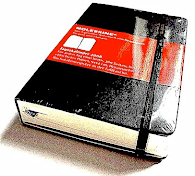
This month of March, at the end of the Winter season, we'll have a particular promotion on all calendars and 2008 diaries. They're still very useful. Even if you have lost the first two months they can still track and take note of all the coming days of the year. And why not? Writing your own words and thoughts. That's the best way to remind everything you do in your life. Your memories, the meetings you attend, the groceries you buy. Your travel plans. Whatever!
It's easy. 30% off the original price. Or even a little better if you buy 2 we'll give you 1 for free. It will go until stocks last.
[COME FOR MORE PROMOTIONS — WE'LL TELL THEM SHORTLY]


 Posts
Posts






![[zoom in]](http://bp3.blogger.com/_jduB4Xpp9eU/RyDDY8eSh-I/AAAAAAAAArg/L_Fre_nCXYs/s1600-h/BloomMapS.jpg)